


Eco-Friendly Turkish Cotton: The Sustainable Choice for Textile Buyers
- Mar 30
- 3 min read
Turkish cotton has gained a strong reputation worldwide for its softness, durability, and luxurious feel. But beyond these qualities, it also offers significant environmental benefits. As global retailers, hotels, promotional companies, and wholesale textile buyers seek sustainable options, understanding the eco benefits of Turkish cotton becomes essential. This article explores why Turkish cotton is a smart, eco-friendly choice for your textile needs.
What Makes Turkish Cotton Eco-Friendly?
Turkish cotton is grown in the Aegean region of Turkey, where the climate and soil conditions are ideal for producing long-staple cotton fibers. These fibers are longer and stronger than regular cotton, which means products made from Turkish cotton last longer and require less frequent replacement. This durability reduces waste and the need for constant production, which in turn lowers environmental impact.
Additionally, Turkish cotton farming often uses traditional, less intensive agricultural methods. Many farmers rely on natural irrigation from the nearby rivers and avoid excessive use of chemical fertilizers and pesticides. This approach helps preserve soil health and reduces water pollution.
Another eco-friendly aspect is the local production process. Turkish cotton is typically processed close to where it is grown, minimizing transportation emissions. This local supply chain supports sustainable practices and reduces the carbon footprint associated with long-distance shipping.

Eco-Friendly Turkish Cotton in Textile Production
The textile industry is one of the largest consumers of water and energy worldwide. Turkish cotton production, however, tends to be more water-efficient compared to other cotton-growing regions. The Aegean climate allows for rain-fed irrigation, reducing the need for artificial watering systems.
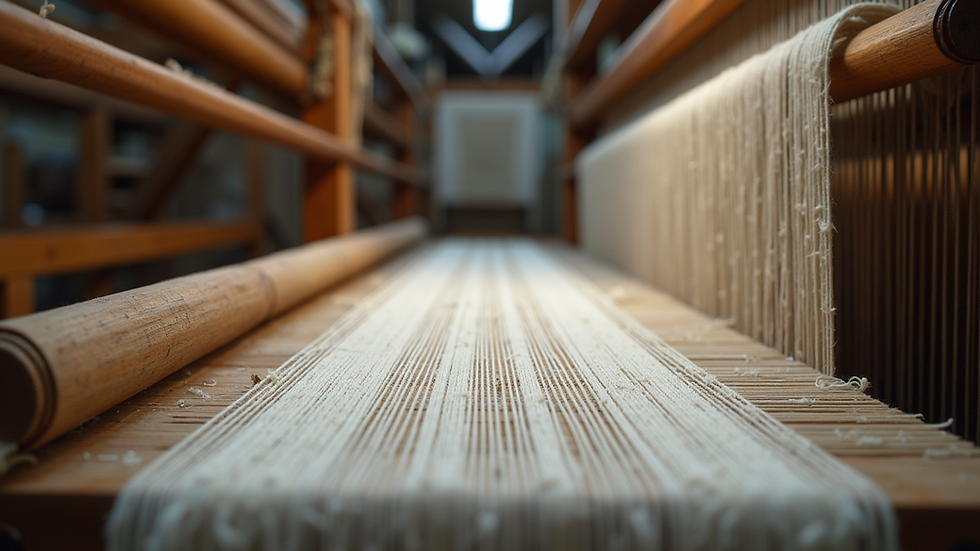
Moreover, Turkish cotton is often woven using traditional looms and natural dyes, which consume less energy and produce fewer harmful chemicals. This contrasts with synthetic fibers or heavily processed cotton, which require more energy and generate more pollution.
For businesses aiming to reduce their environmental footprint, choosing Turkish cotton means supporting a textile supply chain that values sustainability. It also aligns with growing consumer demand for eco-conscious products.
Is Turkish Cotton Better Than 100% Cotton?
This question often arises because "100% cotton" is a broad term that can refer to cotton from various regions and qualities. Turkish cotton is a specific type of 100% cotton known for its superior fiber length and strength.
Compared to generic 100% cotton, Turkish cotton offers:
Longer fibers: These create smoother, softer, and more durable fabrics.
Better absorbency: Ideal for towels and bathrobes, Turkish cotton absorbs water quickly and dries faster.
Sustainability: As mentioned, Turkish cotton farming and production tend to be more eco-friendly.
While all cotton has environmental impacts, Turkish cotton’s quality means products last longer, reducing waste. This longevity is a key factor in sustainable textile purchasing.
Practical Benefits for Wholesale Textile Buyers
For wholesale buyers, the eco benefits of Turkish cotton translate into practical advantages:
Higher product quality: Durable and soft textiles reduce returns and complaints.
Sustainability credentials: Offering eco-friendly products meets the expectations of environmentally conscious clients.
Cost-effectiveness: Although Turkish cotton may have a higher upfront cost, its durability means fewer replacements and better long-term value.
Versatility: Turkish cotton is suitable for towels, bedding, apparel, and promotional items, making it a flexible choice for various markets.
By choosing Turkish cotton, businesses can build a reputation for quality and sustainability, appealing to a growing global market.
How to Verify the Eco Credentials of Turkish Cotton
When sourcing Turkish cotton, it is important to verify its eco-friendly claims. Here are some tips:
Ask for certifications: Look for organic cotton certifications or sustainability labels.
Check the supply chain: Ensure the cotton is grown and processed in Turkey, minimizing transportation emissions.
Request information on farming practices: Sustainable farms use less water and avoid harmful chemicals.
Evaluate production methods: Traditional weaving and natural dyeing are signs of eco-conscious manufacturing.
For those wondering is turkish cotton eco friendly, these steps help confirm the environmental benefits and support responsible purchasing decisions.
Moving Toward a Sustainable Textile Future
The global textile market is shifting toward sustainability, and Turkish cotton is well-positioned to meet this demand. Its natural qualities, combined with eco-friendly farming and production methods, make it a responsible choice for wholesale buyers.
By integrating Turkish cotton into your product lines, you contribute to reducing environmental impact while offering high-quality textiles. This approach supports the vision of companies like Beachnhome, which aim to lead the global market with sustainable and custom textile solutions.
Choosing eco-friendly Turkish cotton is not just a trend - it is a practical step toward a greener, more sustainable textile industry.
This overview highlights the key eco benefits of Turkish cotton and provides actionable insights for wholesale buyers. Embracing this natural fiber supports both business goals and environmental responsibility.


Comments